Minh watched a short clip from Ben Heath, an advertiser who says he has spent more than 300 million dollars testing Meta Ads. The line worth keeping was not the number: after all that spend, he still cannot predict which ad will win, and he argues nobody can.
1) Intuition is a hypothesis, not a skill
Years in the job do sharpen how a market gets read, but a sharper read only produces a better hypothesis, never a result. The ad a media buyer believes in at launch and the ad that takes budget three days later are two separate things. Anyone who has run accounts long enough has a "sure thing" that died quietly.
2) Unpredictability is the argument for more shots on goal
That is why the video says volume of tests beats one perfect guess. Volume here does not mean shipping anything to fill a slot: each ad still has to answer one clear question. The point is to stop placing every hope on a single execution. Many deliberate attempts is a different thing from many near-identical variants.
3) The hard part is getting out of your own way
A slow ad that the buyer is attached to tends to get two extra days. A winning ad that contradicts a strong opinion tends to get audited first. The only reliable fix is setting the kill threshold and the scaling threshold before launch, while nobody yet knows whose idea will win. When every variant stalls at once, the problem is the testing axis rather than the details.
How Minh reads this from the DND eye hospital account, running Facebook, Google and TikTok Ads side by side: the ad rated highest in a planning meeting was not the ad that produced the best message volume, and reading content trends in the data moved things faster than defending a personal favourite.
The point: winning at paid ads is not about predicting the winner, it is about shortening the gap between the data saying you are wrong and you accepting it.
Frequently Asked Questions
How many ads should one test round include?
When should an ad be turned off?
Does experience still matter then?
About the Author
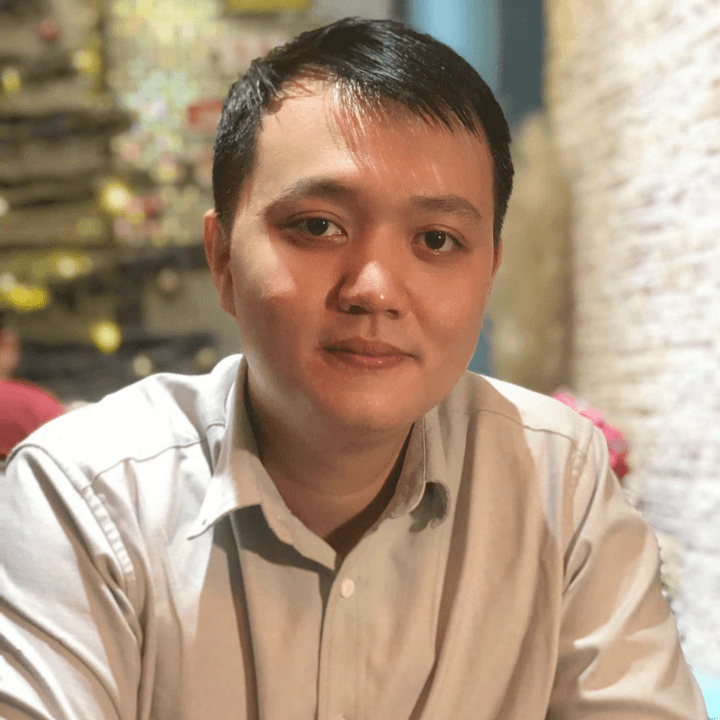
Digital Marketing / Performance Ads Expert
9+ years in Digital Marketing. Expert in Google Ads, Facebook Ads, TikTok Ads, SEO. Helped businesses grow revenue up to 500% and organic traffic from 3K to 120K/month.